










For manufacturers, uptime is revenue. Every hour of disruption affects production schedules, customer commitments, and margins. Cybersecurity for manufacturing has moved from an IT concern to an operational requirement that directly affects plant performance, supply chain reliability, and long-term growth.
Cybersecurity for manufacturing refers to the protection of production systems, plant networks, operational technology, and business data from cyber threats that can disrupt uptime, delay shipments, and impact revenue.
Manufacturing has remained the most targeted sector for cybercriminals for four consecutive years. Threat actors focus on production environments because downtime creates pressure to pay, restore systems quickly, and avoid missed shipments. When operations stop, the impact is immediate. Orders are delayed, contracts are strained, and customer trust is tested.
This is why cybersecurity in manufacturing is not only about protecting systems. It is about protecting output, protecting data, and keeping plants running.
Why Manufacturing Is a Prime Target for Cyberattacks
Manufacturers operate complex environments that combine legacy systems, modern applications, and connected machinery. These environments often include ERP platforms, plant floor systems, remote access tools, and supplier integrations. Each connection introduces risk if not properly secured. Manufacturing is often seen as a soft target because many organizations do not have dedicated IT teams overseeing security strategy, monitoring, and response. At the same time, operational technology was not originally designed with cybersecurity in mind. Insecure OT systems running alongside business IT create additional exposure that attackers are quick to exploit.
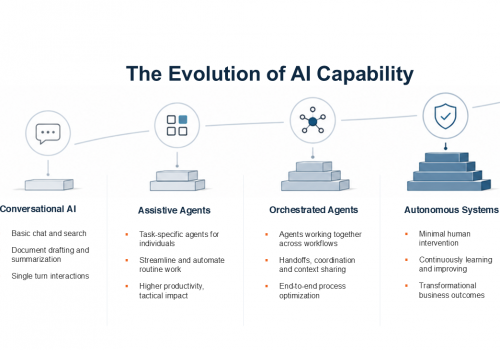
At the same time, digital transformation is accelerating. More than half of manufacturers already use AI, and 80% say it will be essential to grow or maintain their business by 2030. As connectivity increases, the attack surface expands. Threat actors now target both IT systems and operational technology (OT) to disrupt production or steal sensitive data.
AI is also changing the threat landscape. AI-assisted cyberattacks increased by 72% year over year in 2025, making phishing, impersonation, and intrusion attempts more convincing and harder to detect. For manufacturers with distributed teams and remote access to plant systems, this raises the stakes.
How Cybersecurity in Manufacturing Differs from Other Industries
In many industries, a cyber incident disrupts data and business applications. In manufacturing, it can stop physical production. When plant networks, control systems, or supplier connections are compromised, equipment can sit idle, and delivery timelines slip. That creates immediate operational and financial pressure.
Manufacturing environments also rely heavily on connected machines, third-party vendors, and production data that support output. Security efforts must protect both office systems and plant-floor technology at the same time. The objective is not only to prevent data loss. It is to maintain operational continuity and keep production moving even when threats occur.
The Cost of Downtime and Disruption
A cyber incident in manufacturing rarely stays contained within IT. When a production system or ERP platform is compromised, the consequences spread quickly across the organization.
Production stops.
Shipments are delayed.
Customers lose confidence.
Brand Reputation gets damaged
IP Theft can lead to permanent loss of competitive advantage
Regulatory and contractual penalties may also apply.
These events create both direct and indirect costs. Lost output affects revenue. Recovery efforts strain internal teams. Reputational damage can affect future contracts. In many cases, manufacturers face pressure to resume operations quickly, which is exactly what attackers count on.
On average, it takes 204 days to detect a breach and a further 73 days to contain it. The question then is for manufacturers: how much of this disruption can your business take?
Resilience for manufacturing firms is now a competitive advantage. Manufacturers that invest in cybersecurity controls, monitoring, and response planning recover faster and experience less operational disruption when incidents occur.
“A Cyberattack doesn’t just cause downtime. It can cost clients, contracts, and your reputation.” ~John Stephens, CISO & CMMC Registered Practitioner at Convergence Networks
Data and AI Risks in Modern Plants
Manufacturers are collecting more data than ever from machines, sensors, and business systems. This data supports automation, predictive maintenance, and AI initiatives. But it also requires proper governance and security.
Despite strong adoption of AI, 65% of manufacturers report a lack of proper data for AI applications, and 62% say their data is unstructured or poorly formatted. When data is not organized or secured, it becomes harder to protect and easier to exploit.
Sensitive production data, intellectual property, and supplier information are valuable targets. A breach can expose proprietary designs, disrupt production planning, or compromise partner relationships. Securing data pipelines and access controls is now part of protecting plant uptime.
Core Cybersecurity Priorities for Manufacturers
Manufacturers do not need to build complex security programs overnight. What matters most is focusing on controls that protect operations and reduce the risk of downtime.
Separate IT and operational technology (OT)
Separating business systems from plant systems limits the spread of attacks and helps contain incidents before they reach production environments.
Secure remote access
Vendors and staff often need remote access to plant systems. Multi-factor authentication and monitored access reduce the risk of unauthorized entry.
Monitor systems continuously
24/7 monitoring helps detect unusual activity early and allows teams to respond before disruptions escalate.
Protect and test backups and have a disaster recovery plan
Backups must be secure, isolated, and regularly tested to ensure they can be restored quickly. Manufacturers should maintain offline or immutable copies and run routine recovery drills. A clear disaster recovery plan with defined roles and recovery priorities determines how fast production can resume after an incident.
Train employees
Many incidents begin with social engineering. Ongoing awareness training helps staff spot suspicious emails, calls, and requests early. Penetration testing should also be included to uncover gaps in controls and response before a real incident occurs.
Align cybersecurity with operations and organizational goals
Security planning should align with production schedules, maintenance windows, and business priorities. This ensures protection without disrupting workflows.
Work with a Partner Built for Manufacturing
Many organizations rely on managed IT services for manufacturing to maintain continuous monitoring, secure vendor access, and tested recovery across both IT and plant environments. A specialized partner helps keep controls aligned with production schedules, supplier connectivity, and uptime requirements while reducing the load on internal teams.
 If you are reviewing how well your plant is protected, our guide Cybersecurity Essentials for the Manufacturing Sector outlines the controls that matter most for uptime, data protection, and operational resilience. It covers common risks across production environments, and the steps manufacturers can take to reduce downtime and strengthen recovery. Download the guide to see where your current approach stands and where to focus next.