





Cyber risk continues to rise as more work, communication, and personal activity increasingly depend on connected systems. In 2025, the average cost of a data breach in the United States reached approximately $10.22 million. Statistics show that on average, it takes 204 days to identify a breach and another 73 days to contain it. The question then is, can a business or even a personal account realistically withstand that kind of disruption? For small and midsize organizations, the impact is often severe since many lack cyber insurance or the financial flexibility to absorb losses of $1 million or more.
The good news is that many incidents are preventable. Everyday choices such as how you connect to Wi Fi, how you manage passwords, and what information you share online often determine whether data stays protected or becomes exposed. This article outlines cybersecurity tips designed for real people, not just IT teams. They apply to remote workers, families, and everyday users who want clear guidance without unnecessary complexity.
Cybersecurity Tips for Remote Workers in 2026
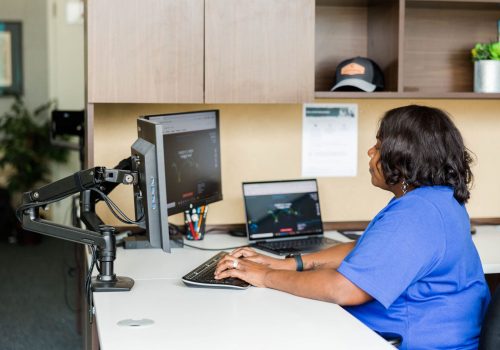
With more people working from home, personal devices and home Wi Fi are now part of how business gets done. That shift has expanded the attack surface and made remote workers a frequent target. Here are some steps remote workers can take in 2026 to reduce risk and protect their work and data.
Secure your home Wi–Fi network
Your Wi Fi network connects laptops, phones, printers, and smart devices. Change the default router password as soon as possible. Enable WPA3 encryption if your router supports it. If your router or devices do not support WPA3, enable WPA2 at a minimum. Older security protocols are often weak and can lead to security compromises. Keep firmware updated and avoid connecting unknown devices. A secure network protects everything that relies on it.
Use a password manager
We get it, strong and complex passwords can be hard to manage, but do not save passwords in an Excel file or write them in a notebook. Use a password manager application instead. It can feel convenient to let your browser store passwords, but attackers know that convenience works in their favor. If they compromise your browser account or device profile, saved passwords can be exposed. A dedicated password manager is a separate application built for securely creating and storing unique passwords for every account. If you’d like to learn more about password managers, our blog talks about their importance and choosing the right password manager to keep your passwords safe.
Use multi-factor authentication (MFA) everywhere possible
MFA adds a second verification step that blocks many account takeover attempts. Enable it on all emails, collaboration platforms, cloud storage, VPN access, and administrative tools.
Avoid public Wi-Fi
Public Wi-Fi networks are easy to intercept. Sensitive work should only be done on trusted networks. When traveling, use a company-approved VPN to reduce exposure.
Be cautious with file sharing and access permissions
Only share files with verified recipients. Review access regularly and remove permissions that are no longer required.
Always stay aligned with company security expectations
Well-defined cybersecurity policies help employees understand their responsibilities and respond appropriately when issues arise. When policies are followed consistently, organizations reduce exposure and create a more secure working environment.
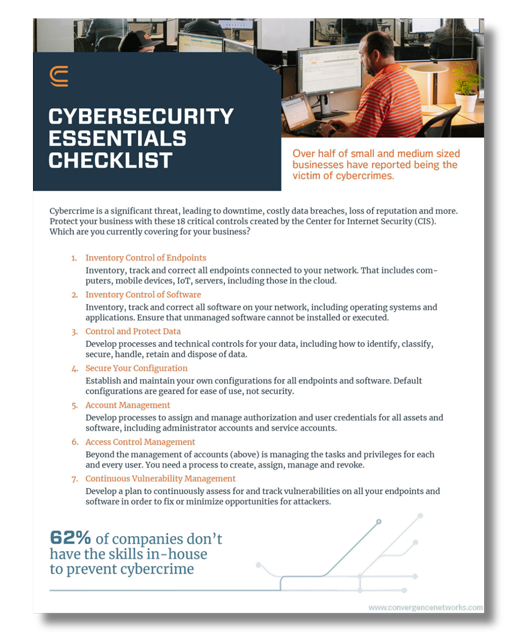
If your company doesn’t have a cybersecurity policy, then now is the time to create one. We have also created a cybersecurity policy checklist to help businesses review and strengthen their existing policies.
Cybersecurity Tips for Families in 2026
Families often share devices and Wi-Fi, which makes security a shared responsibility for everyone in the household. Because accounts, networks, and devices overlap, one unsafe action can affect others. These tips focus on habits families can use to reduce cybersecurity risk in 2026.
Use separate accounts on shared devices
Each person should have their own login on computers and tablets. This reduces accidental changes, keeps browsing separate, and limits the impact if one account is compromised.
Use a standard user account for everyday activity
Avoid using an administrator account for normal browsing, email, schoolwork, or shopping. Admin accounts can install software and change system settings, which means malware can do more damage if it runs under an admin login. Only the person responsible for maintaining the device should have administrator access, including tasks like applying updates, managing antivirus software, and installing approved software. Everyone else should use a standard user account for day-to-day activity.
Start the year with strong passwords
Passwords remain your first line of defense. Weak or reused passwords make it easier for attackers to access email, banking, and shopping accounts. Use long passphrases, avoid reusing passwords, and change any password that has been involved in a breach.
Use multi-factor authentication (MFA) for family accounts too
Turn on MFA for email, banking, social media, and any account that stores payment information. Email is especially important because it is often used for password resets.
Watch what you share on social media
Limit public posts that reveal birthdays, addresses, school details, routines, or travel plans. This information is often used in identity fraud and account recovery attacks.
Freeze your credit if you do not need it
A credit freeze prevents new accounts from opening in your name. It is free and reversible. You can lift it temporarily when applying for credit. This step blocks many identity theft attempts before damage occurs.
Unique Cybersecurity Tips You May Not Be Using Yet
Some of the most effective protection comes from habits that reduce exposure quietly over time. These unique cybersecurity tips are less talked about, but they address real ways people get compromised.
Audit old accounts and delete unnecessary data
Old accounts are easy to forget and hard to monitor. Close accounts you no longer use. Remove saved payment methods. Delete stored personal details where possible. Less data stored means less data exposed.
Use passkeys where available
Passkeys reduce reliance on traditional passwords and make it harder for attackers to steal credentials through fake login pages.
Separate devices by purpose
If possible, avoid using the same device for work systems and casual browsing. Separation limits how far an infection or account compromise can spread.
Monitor for exposed credentials
If your email address appears in breach data, attackers often try those credentials elsewhere. Monitoring tools can alert you earlier so you can change passwords and turn on MFA before an account is taken over.
Build backup discipline into your routine
Backups are not only for businesses. A consistent schedule matters more than an occasional backup. Decide what matters most, back it up, and test that you can restore it.
“Security tools are improving, but so are attackers. The organizations that will be safer in 2026 are the ones investing in people, processes, and disciplined execution, not just new technology.” ~ Jonathan Wolff – Manager, Security and Compliance Practice
Everyday Cybersecurity Safety Tips Everyone Should Follow
These cybersecurity safety tips apply to remote workers, families, and anyone using connected devices daily. They are simple habits that prevent common issues.
Ensure all systems are regularly patched and updated
Updates fix known security flaws. Delaying updates increases risk because attackers often target vulnerabilities that already have fixes available.
Do not use public USB charging ports
Public USB ports can be used to transfer data or deliver malware. Use your own charger and a wall outlet when possible.
Do not assume you are too small to be targeted
Attackers often look for easy access, not famous targets. The most common failures are rushed decisions and missed controls, not advanced hacking.
Conduct sensitive browsing only on your own device
Avoid logging into financial accounts or work systems on shared computers. If you must sign in somewhere unfamiliar, change passwords afterward and review account activity.
Review app permissions and browser extensions
Remove extensions you do not recognize. Limit permissions that do not match what the app actually needs, especially camera, microphone, contacts, and location.
Be careful with phishing emails and messages
Phishing is designed to look normal. Slow down when you see urgent language, unexpected attachments, login prompts, or payment requests.
When phishing happens, the best defense is knowing what to check before you click. We put together a printable guide your team can keep nearby for quick reference.

How Businesses and Individuals Can Stay Prepared in 2026
The strongest results come from consistency. Businesses should combine clear policies, training, and monitoring with daily habits employees can follow without confusion. Individuals and families should build routines around updates, strong passwords, MFA, backups, and careful sharing.
Start small, pick a few actions from this list, and make them routine. Over time, those small decisions add up to real protection.