






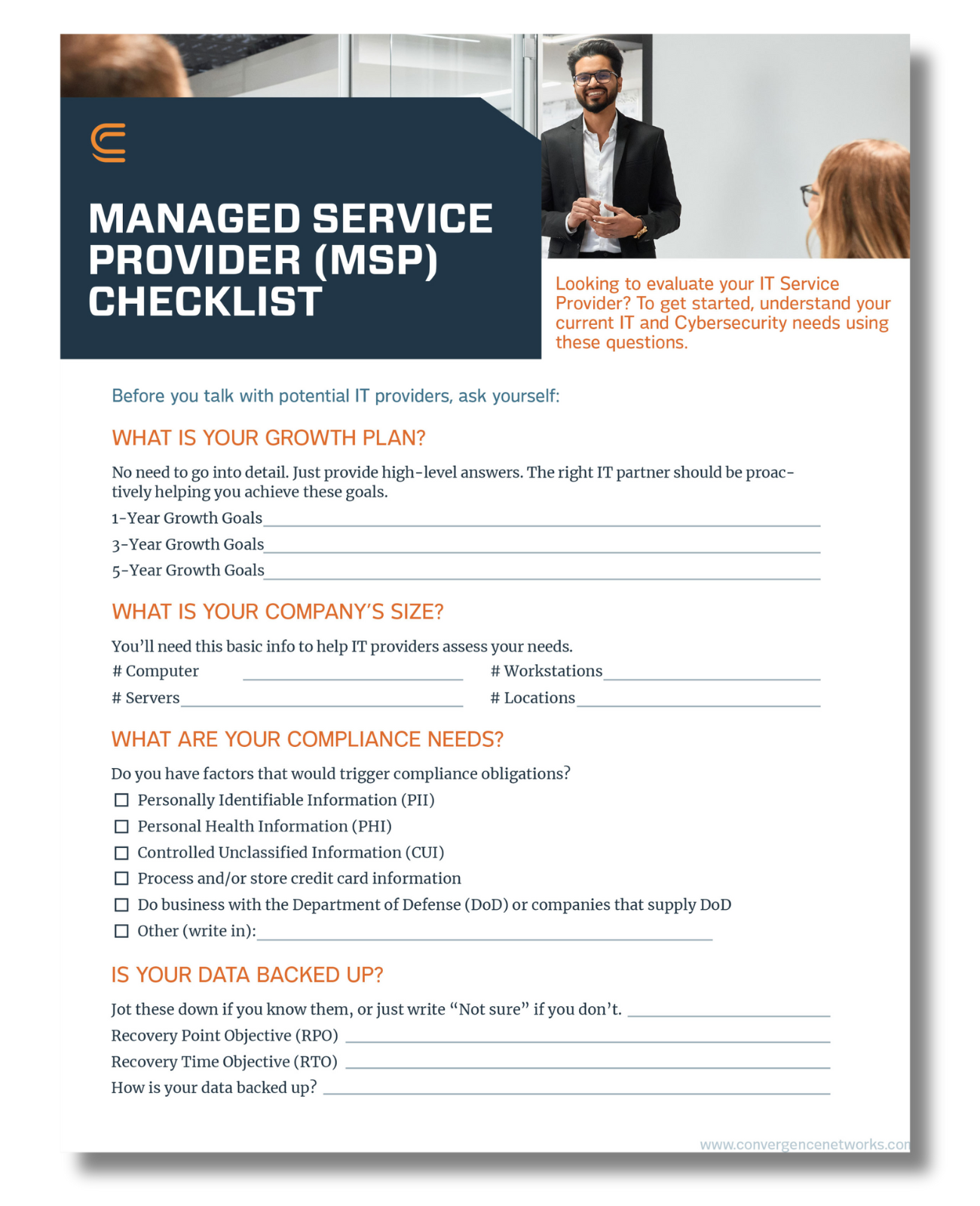

For many organizations, the 2027 IT budget will begin as a copy of the 2026 spreadsheet with a few percentage points added to familiar line items. That approach was easier to justify when technology costs moved gradually, and security requirements were more predictable. Neither condition describes the position most businesses are budgeting from this year. A sustained memory shortage has changed what hardware costs, AI adoption has moved faster than the policies governing it, and the average cost of a security incident has reached the highest level on record.
The goal is to first understand your immediate needs, envision where you want your IT environment to be over the next few years, and then work through the costs required to get there. Below are four areas to work through as you plan your 2027 IT budget.
Start with Building an IT Roadmap

An IT budget is a financial plan for how a company spends on technology over a period, usually one year. It works best as the funding mechanism for a roadmap built three years out and aligned to organizational goals, rather than as a standalone annual exercise. Planning this way shows you which projects can wait a year and which ones cannot.
At a high level, IT spending generally falls into two categories. Operational expenses cover recurring costs such as subscriptions, cloud hosting, connectivity, managed services, support, and ongoing training. Capital expenditures cover larger purchases or assets such as servers, network hardware, and major technology projects. Areas such as security, infrastructure, personnel, and training sit within those two categories depending on how the expense is structured and accounted for.
1. Business Continuity Consideration
Continuity spending only proves its value on the worst day of the year, which is why it gets deferred so often. It pays for backup and recovery capacity, redundancy for systems the business cannot run without, and the testing that confirms both work when called upon.
The 2026 IBM Cost of a Data Breach Report found the average breach took 205 days to identify and contain, 6% longer than the previous year. Imagine your business being down for that long, would your business be able to sustain it? One major factor to consider in business community is “aging equipment” which compounds the problem, since hardware past its supported life is both a continuity and a security risk, and replacement lead times have stretched.
2. Productivity and Optimization Consideration
One of the easiest places to find room in next year’s IT budget is in the technology you are already paying for. Over time, unused licenses, duplicate tools, and subscriptions that quietly renew can add up. Reviewing those costs can free up budget for higher priority projects without increasing overall spend.
Automation is another area where the value can be measured more clearly. Tasks such as employee onboarding, offboarding, approvals, and recurring reports take up hours every week. Before investing in automation, look at how much time those processes currently require and what could realistically be saved. That gives you a clear way to measure whether the investment is delivering the results you expected.

AI tools need more than a software budget. They also need clear governance around access, approved use, and the information employees can share. IBM’s 2026 report found that 92 percent of organizations affected by an AI related breach had no access controls on their AI models and applications.
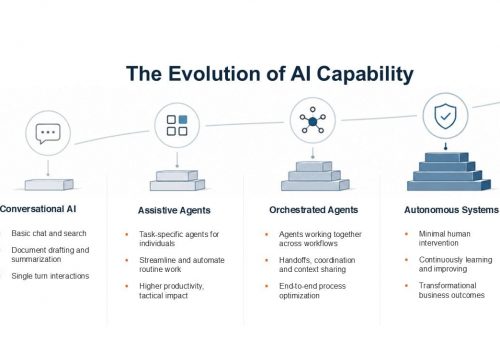
As you plan for 2027, review the subscriptions you already manage and look for unused licenses or tools that overlap. At the same time, think about where AI and automation could have the greatest impact. Ask department leaders which manual processes consume the most time, estimate the hours involved, and use that information to decide where automation could improve efficiency and where it makes sense to allocate budget.
3. Security Considerations
The global average cost of data breach hit a record USD 4.99 million, up 12% in a year. Organizations in the United States averaged USD 11.5 million per incident, and Canadian organizations reported a record CA$ 7.11 million, with energy sector hit the highest at CA$ 9.21 million.
Where that money goes should shape where your budget goes. Detection, escalation, and lost business, including customer churn and reputational damage, account for roughly 63% of total incident expenses. In Canada, supply chain compromise was the single largest cost driver, adding around CA$ 368,000 per breach.

Attacker use of AI is adding another layer of risk. The same IBM report found that organizations using AI and automation in their own security operations were able to contain breaches faster and at a lower cost. Cyber insurance also deserves attention during budget planning, especially as insurers continue to expect specific security controls to be in place before renewal.
Here is what we recommend:
- Review the security requirements in your current cyber insurance policy before renewal.
- Compare those requirements with the controls you currently have in place across locations, remote staff, and contractors.
- Identify any gaps early and account for the required improvements in your budget.
Include detection and response capabilities alongside prevention so your team is prepared to act quickly if an incident occurs.
General Budgeting
Hardware pricing is the clearest test of your assumptions. IDC expects memory supply constraints to persist through 2026 and well into 2027, with no return to 2025 pricing levels in the current forecast. A refresh priced on the last cycle will be short before the budget is approved.
Changing hardware prices can also influence how you choose to purchase equipment. Buying outright gives you ownership from day one, while financing/leasing spreads the cost over time and can make future refreshes easier to plan. The right option depends on your budget, cash flow, tax considerations, and how frequently your equipment needs to be replaced.
Here is what we recommend:
- Build realistic budget ranges for planned hardware and technology purchases rather than trying to collect quotes for everything upfront.
- Compare CapEx and OpEx options so you can see how each affects cash flow and long term planning.
- Review major renewals for price increases or escalation clauses before they hit the budget unexpectedly.
Include some flexibility for pricing changes, especially for hardware purchases planned later in the year.
What Should You Do in the next Quarter?
Start with the business goals for 2027. What do you want technology to help the organization accomplish? That could mean supporting growth, adding new capabilities, reducing risk, improving productivity, or replacing systems that are holding teams back.
To put that into action:
- Identify which business goals need technology support and when those investments need to happen.
- Prioritize the projects that can have the greatest impact on growth, productivity, risk reduction, or new capabilities.
- Review hardware needs, renewals, cyber insurance requirements, and purchasing options so the budget reflects realistic costs.
An IT budget should not simply be a list of technology purchases. It should be a funded business plan that supports growth, reduces risk, improves productivity, and delivers measurable outcomes.
Plan your 2027 budget with a partner
At Convergence Networks, we specialize in IT and cybersecurity solutions tailored to your specific needs. From strategic planning with a vCIO, workflow automation to hardware solutions like HaaS, we offer the expertise and tools to keep your business running smoothly. Contact us to learn more.